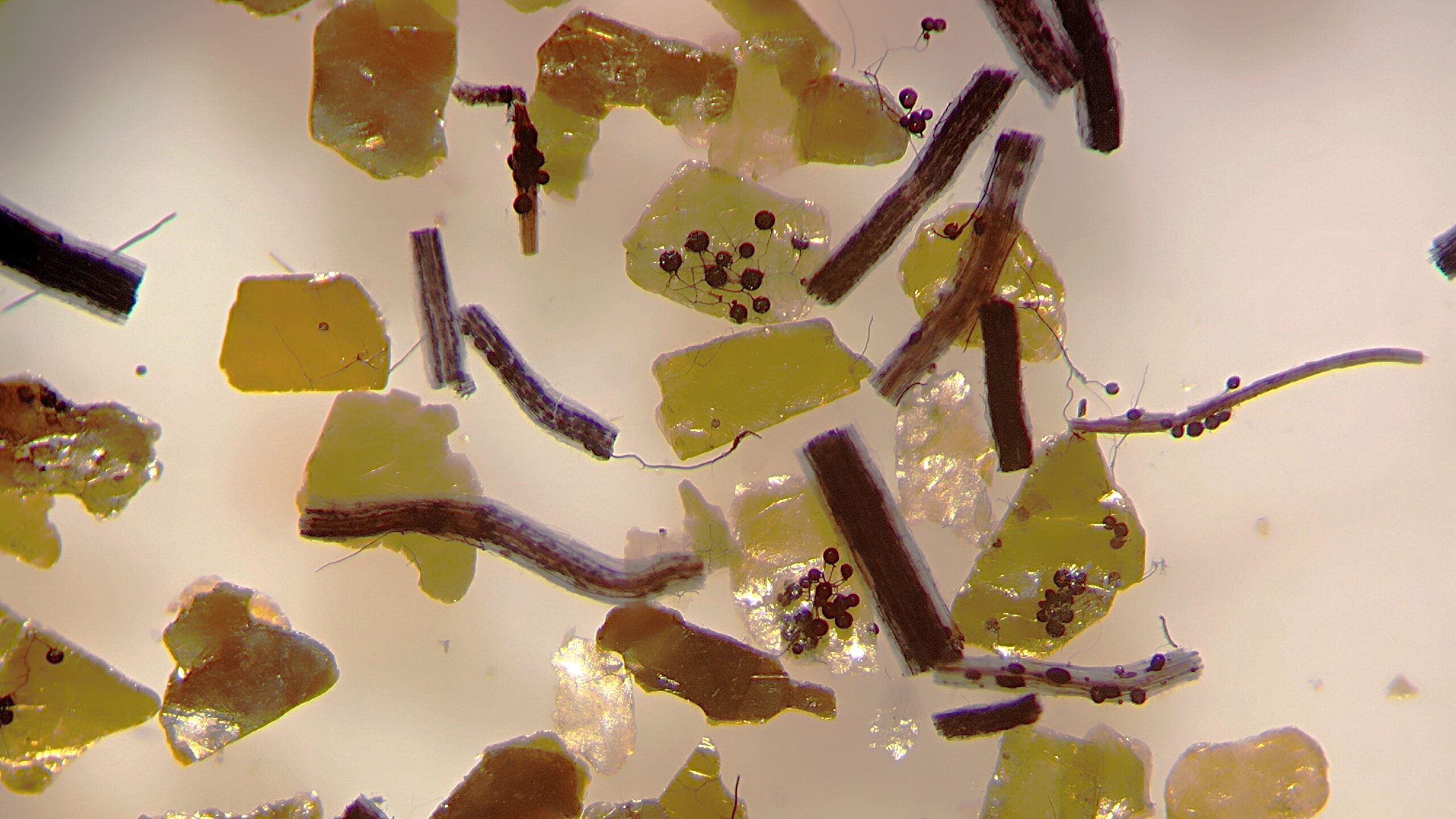
Endomycorrhizal fungi form a close symbiotic relationship with the roots of cultivated plants, improving their uptake of water and nutrients. They play a particularly important role in supporting plant growth under unfavorable conditions.
The fungal network increases the effective root surface area many times over, providing significant benefits, especially during drought or in nutrient-poor soils. Once established, the mycorrhizal association remains with the plant throughout its entire life cycle.
The term mycorrhiza refers to the symbiotic relationship between certain soil fungi and the fine roots of higher plants. Arbuscular mycorrhizal fungi (AMF) from the phylum Glomeromycota are particularly important in agriculture and horticulture, including genera such as Rhizoglomus (formerly Glomus) and Funneliformis. They form endomycorrhizal associations in which the fungal mycelium penetrates the root cells and develops characteristic structures known as arbuscules, through which nutrients are exchanged between the fungus and the plant.
The plant supplies the fungus with carbohydrates produced through photosynthesis, accounting for up to 20% of its net photosynthetic production. In return, the fungus’s extraradical hyphal network explores a volume of soil extending far beyond the reach of the plant’s own roots. The hyphae, measuring only a few micrometers in diameter, penetrate soil pores inaccessible to roots and actively transport water and relatively immobile nutrients, particularly phosphorus, to the root system.
The effect on phosphorus uptake is especially significant from an agricultural perspective. In many soils, phosphorus is present in sufficient quantities but remains largely unavailable to plants due to its low concentration in the soil solution. With the assistance of associated beneficial bacteria, mycorrhizal fungi can increase phosphorus uptake several times over. This makes it possible to reduce mineral fertilizer applications without compromising the plant’s nutrient supply.
Under drought stress, the extensive hyphal network improves access to water from deeper and more distant soil layers. At the same time, the symbiotic relationship enhances the plant’s ability to adapt osmotically and accelerates recovery following periods of water stress.
Not all crops form mycorrhizal associations. Brassicaceae, including rapeseed, cabbage and arugula, as well as certain other crops such as spinach and sugar beet, do not form these associations. In most other crops, from cereals and tomatoes to fruit trees and ornamental plants, mycorrhizal symbiosis is generally possible. However, its development depends on soil structure, pH, phosphorus availability and cultivation intensity. High phosphorus levels in the soil inhibit mycorrhizal formation, as plants reduce their investment in the symbiotic relationship when nutrients are readily available.
Application is carried out using granules, powders or liquid suspensions, applied directly to seeds, planting holes or through irrigation systems. Early inoculation at the time of sowing or planting is essential, as the symbiotic relationship requires time to establish and only reaches its full potential after successful root colonization.
Our products contain mycorrhizal fungi from the renowned company INOQ, a partner company of the Bactiva Group.